Guides
Photography equipment brands for portrait studios: what each one does well
A look at the camera, lens, and lighting brands portrait studios use, what each suits, and how repair time and resale value change the real cost.
What to take away
- Buying twice usually means buying the cheap version first, then the version the work actually needed.
- A portrait studio's real cost is the reshoot, not the bodya failed session burns the sitting fee, the retouch hours and the client.
- Repair turnaround and local loaner access matter more than a spec sheet when you shoot orders on a deadline.
- Resale value is part of the purchase price; a lens that holds 70 percent of its cost is cheaper than one that holds 30.
- Match the brand to the jobtethered studio work, fast location work and print-critical color each reward different gear.
A portrait studio buys equipment against a calendar, not a review site. A body that dies on a Saturday in October costs you a family session, a rebooking and a client who tells four friends. That is the number to weigh against the price tag.
The brands portrait studios actually run
These are the names that show up in working studios, with what each is good at and how it is sold.
| Brand | What it does well | Who it suits | Pricing model |
|---|---|---|---|
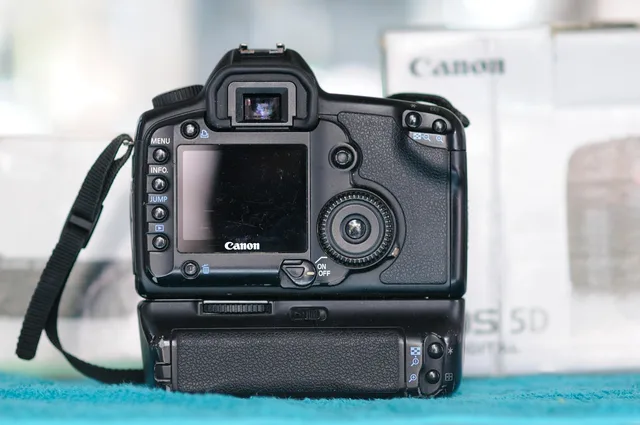
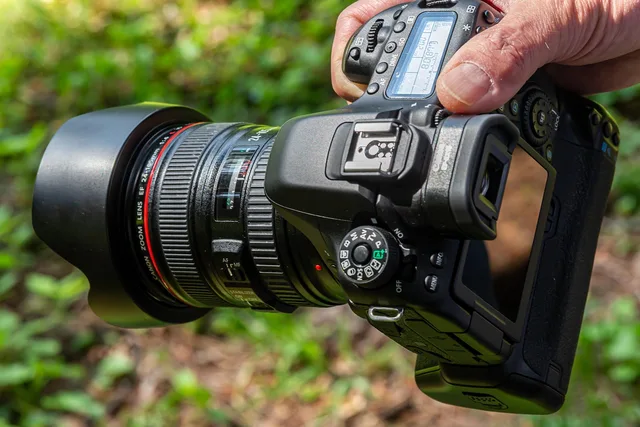
| Canon | Fast autofocus, wide lens range, broad service network | High-volume portrait and event work | Body and lens sold separately; tiered by model |
| Nikon | Color rendition and rugged bodies | Studio and location portrait work | Body and lens sold separately |
| Sony | Mirrorless autofocus, strong video | Hybrid stills and video studios | Body and lens sold separately |
| Fujifilm | Film-simulation color, compact bodies | Lifestyle and documentary portrait | Body and lens sold separately |
| Profoto | Studio strobes with consistent color and fast recycle | Commercial and high-end portrait | Per-light; modifiers sold separately |
| Godox | Low-cost strobes and triggers | Startups and second kits | Per-light; budget tier |
| Elinchrom | Reliable strobes with a long service life | Established studio floors | Per-light; mid to high tier |
| Manfrotto | Tripods and support | General studio and location | Per-item |
| Gitzo | Carbon tripods for travel and stability | Location and architectural portrait | Per-item; premium tier |
| Tether Tools | Tethered shooting cables and mounts | Tethered studio workflow | Per-item |
| Eizo | Color-accurate monitors | Print and retouch studios | Per-unit; calibration sold separately |
Leica, Hasselblad and Phase One sit above this list on price. They earn their place in fine-art and high-end commercial portrait work, not in a volume family studio.
Where the money actually goes
Run the arithmetic in your own numbers. Take the sitting fee (S), the number of sessions a body covers before service (N), and the cost of one reshoot (R). A body that fails once in N sessions costs you R/N per session on top of its price. A cheaper body that fails twice costs double that.
The Real Cost of a Body
- R/Nfailure cost per session
- P - Qreal lens cost
- 2xcost of double failure
Then add resale. A lens bought at price P and sold three years later at price Q has a real cost of P minus Q. Two lenses at the same sticker price are not the same purchase if one holds its value.
The photography equipment and setup guide walks through the rest of a studio kit, from backdrop systems to card readers.
Evidence worth gathering before you buy
The Federal Trade Commission guide to advertising matters here because gear claims leak into marketing. If you advertise "shot on medium format" or "studio-quality lighting," the claim has to be true and supported.
What Photographers Actually Do
- Planning
- Lighting
- Capture
- Editing
- Portfolios
- Archives
- Marketing
- Scheduling
The Bureau of Labor Statistics photographer profile describes the work itself:
- planning
- lighting
- capture
- editing
- portfolios
- archives
- marketing
- scheduling Buy for that list, not for a spec sheet.
The OSHA safety management page is the reference for a studio safety program. C-stands, sandbags, cable runs and strobe packs are the hazards in a portrait room.
Worked example: the body that cost more than it saved
A studio buys two budget bodies at 1,200 dollars each instead of one 2,400 dollar body with local service. In month seven, one body's shutter fails during a Saturday session.
The studio refunds the sitting fee, pays two hours of retouch, and loses the rebooking. The repair takes eleven days because there is no local service center.
The second body covers the gap, so the studio shoots single-body for two weeks and turns away two sessions. The savings were 1,200 dollars. The cost was the refund, the retouch, two lost sessions and eleven days of reduced capacity. That is buying twice.
Common questions
Why do studios buy the same gear twice?
Usually because the first purchase was chosen on price and the second on the work. A budget strobe that shifts color forces a reshoot; the replacement is the one that should have been bought first.
Does brand matter more than the lens?
No. A mid-range body with a sharp prime beats a flagship body with a kit zoom for portrait work. Spend on glass and light first, bodies second.
How do I value resale when comparing two lenses?
Subtract the expected resale price from the purchase price and divide by the years you will keep it. That annual figure is the one to compare, not the sticker.
What should I check before switching brands?
Lens mount, flash trigger compatibility, tethering software, and whether a repair center is within a day's shipping. A brand switch is a system switch, not a body swap.